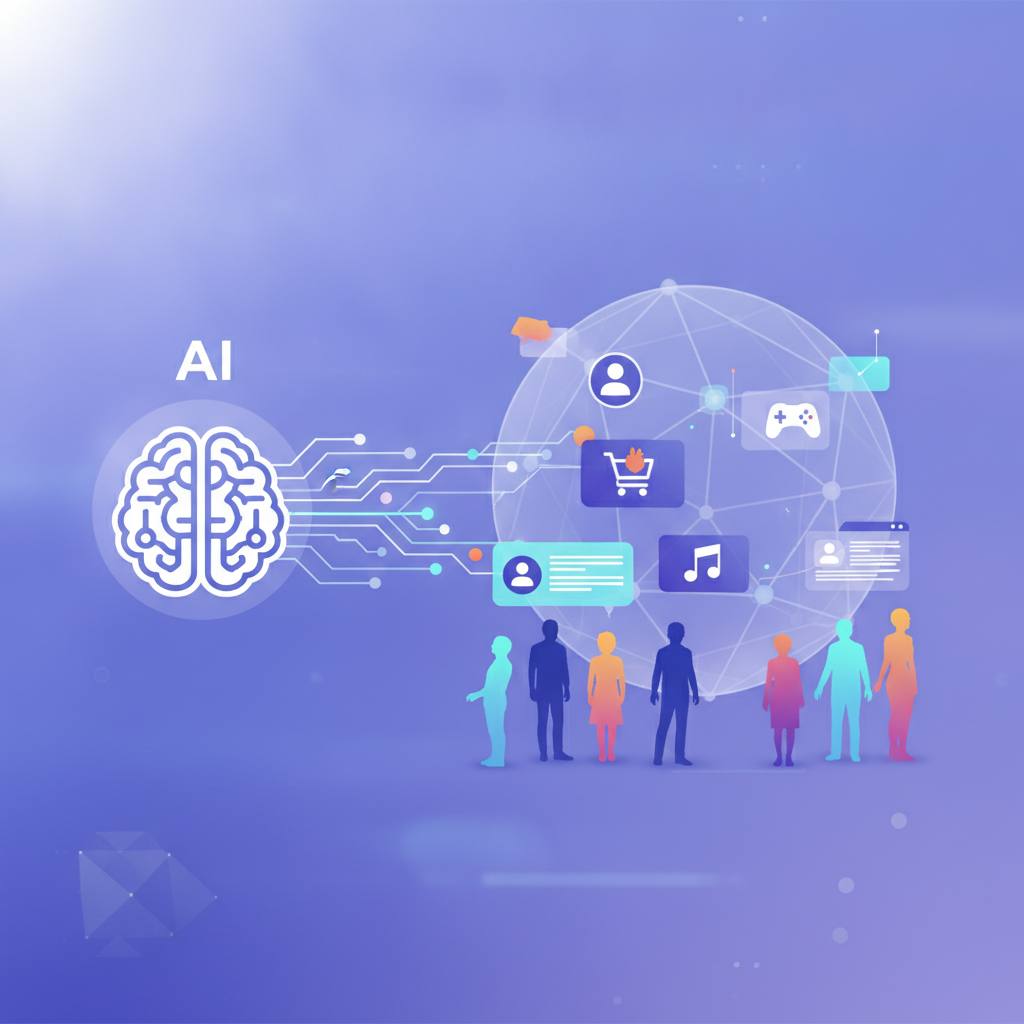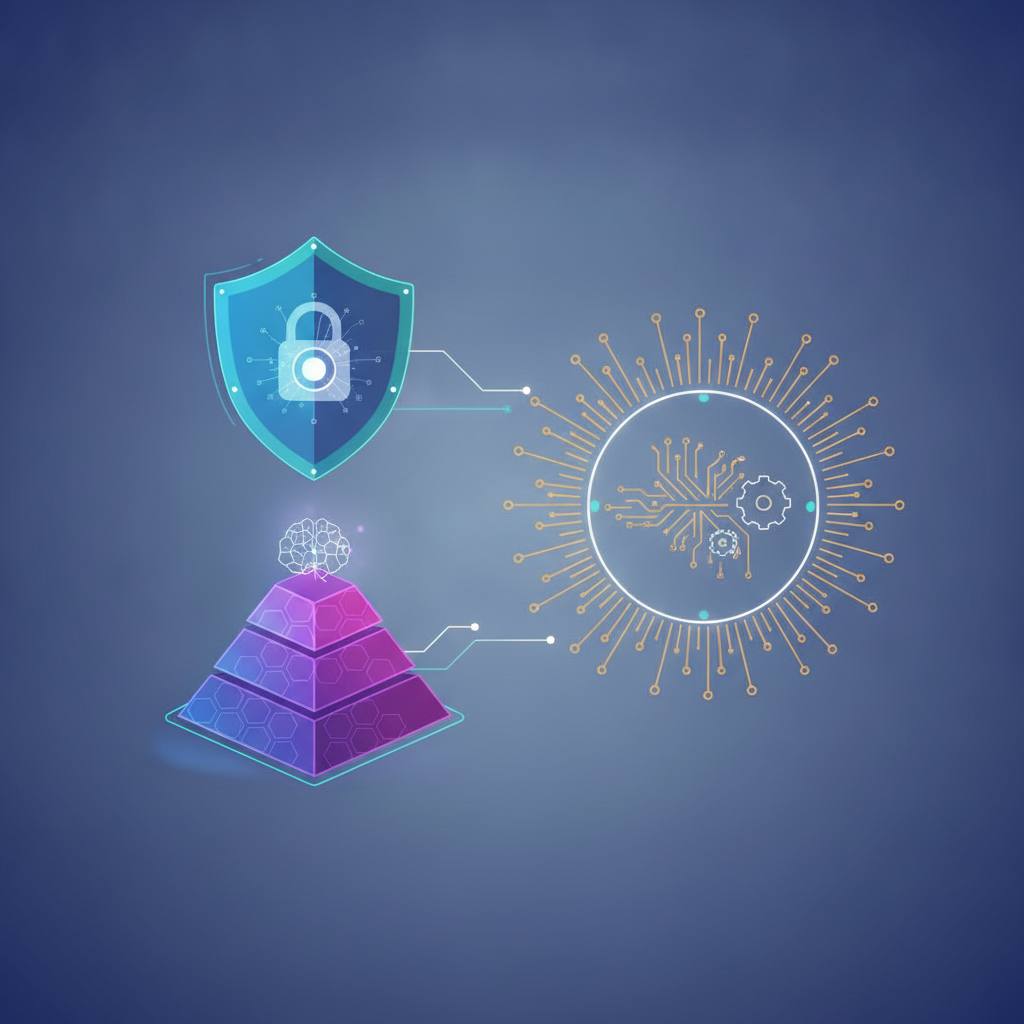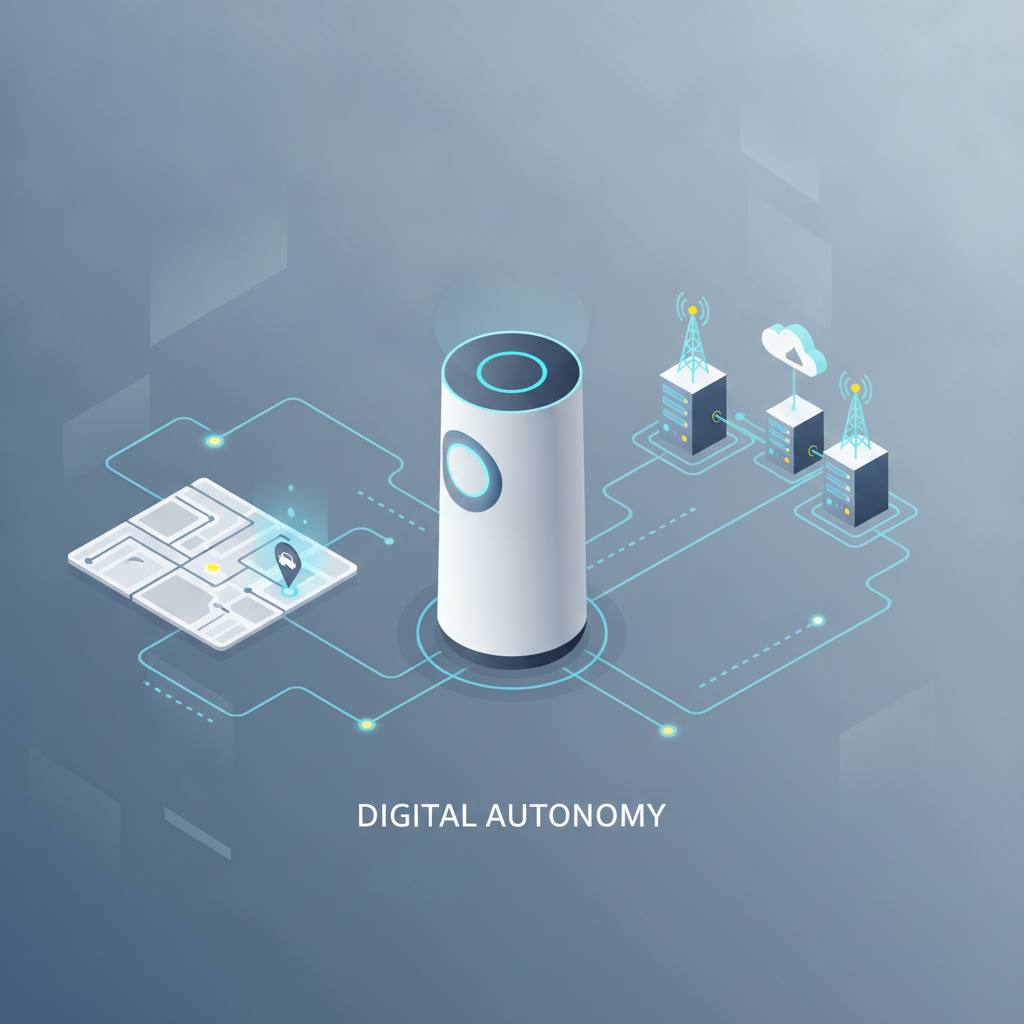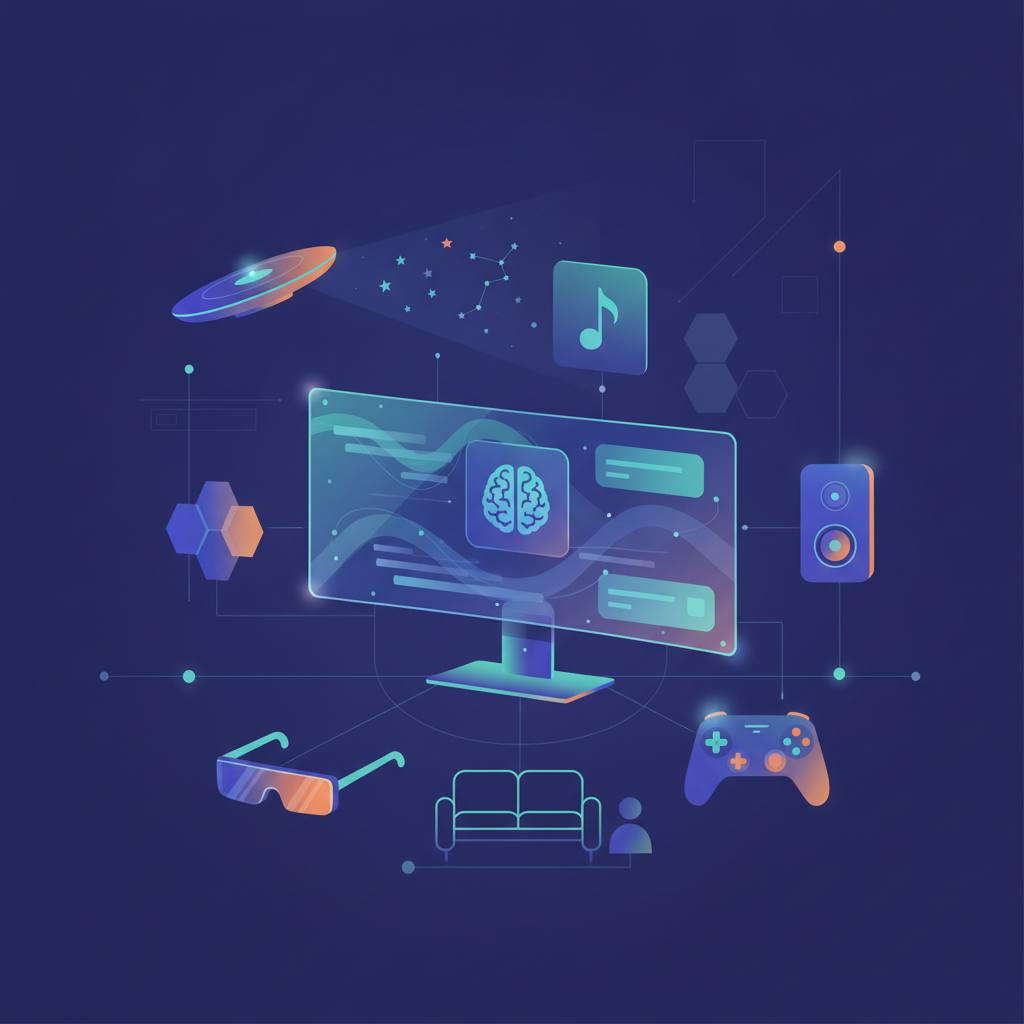
We expect the future to bring deeper AI integration into devices and entertainment, supported by advanced infrastructures that ensure seamless and reliable experiences.
Today's news gives us clear signals about where technology is heading next. Xbox's announcement of Wolfenstein 3 and the confirmation of The Elder Scrolls VI: Sentinel highlight a continued investment in major gaming franchises that audiences love. These aren't just new releases; they represent a commitment to deeper, more interactive experiences that leverage ongoing advancements in hardware capabilities. We predict the gaming industry will persist in focusing on building vast, narrative-rich worlds, integrating new technologies to make these realms more realistic and responsive. There will be an increasing emphasis on connecting players and delivering long-term experiences that extend beyond a single game.
In the world of hardware, details surfacing about the vivo X500s phone, powered by a Dimensity 9-series chipset, confirm that the race for performance is ongoing. This means our phones will become more powerful and intelligent at a faster pace than we might imagine. It won't just be about raw processing speed; we anticipate these chipsets will include advanced, integrated AI capabilities, allowing phones to deliver smarter, more efficient personalized experiences. This implies our devices will better understand and adapt to our needs, offering innovative solutions with minimal user intervention. The rapid refresh cycle for hardware will continue, driven by the demands of increasingly complex software.
Regarding web development and programming, the discussion around how AI gateways work shows that the focus is shifting from simply using AI to effectively managing and operating it at scale. It's no longer just about a single AI model, but a complete ecosystem that orchestrates multiple models and ensures data governance and security. We expect AI management tools and the backend infrastructure to become as complex and crucial as the AI models themselves. This will ensure that AI is not merely an add-on, but a foundational, reliable component in real production environments, capable of scaling and tackling real-world challenges. The connection between these technologies is key to the future: powerful devices, immersive games, and intelligent AI systems all interlink to deliver a seamless and integrated technological experience.